Why Investors Are Shrugging Off Bad News, According to Strategist Tom Essaye
Despite a barrage of negative developments — from geopolitical flare-ups to economic red flags — equity markets in developed economies are holding near record highs. In his latest Sevens Report, market strategist Tom Essaye outlines why investors seem largely indifferent to the bad news.
1. Israel-Iran Conflict: Limited Market Reaction
The sudden escalation between Israel and Iran might typically rattle markets, especially given the accompanying surge in oil prices. West Texas Intermediate crude rose from under $60 in May to $75 last Friday. Yet the market response has been muted.
Essaye attributes this to Iran’s diminished military capacity, which severely limits its ability to respond effectively to Israeli strikes. Moreover, with Iran already under heavy sanctions and contributing little to global oil exports, its influence on energy markets is minimal. The U.S., now a net oil exporter, and Saudi Arabia’s ample spare production capacity have further cushioned the potential supply shock.
2. Tariff Troubles: Investors Tune Out
President Trump’s ongoing tariff threats, once a source of market anxiety, now barely register with investors. According to Essaye, markets are suffering from “tariff fatigue” — a numbing effect from constant threats and shifting deadlines.
With too much noise and too little action, investors have started viewing Trump’s trade rhetoric as more bark than bite. The market even has a nickname for it: “TACO” — short for Trump Always Chickens Out. The next inflection point is July 9, when a 90-day pause in tariffs expires. Essaye warns that markets may wake up if there’s a real, sustained tariff increase.
3. Fiscal Deficit Fears: Still Contained
Rising U.S. deficits and runaway government spending should be alarming, yet bond yields have not responded dramatically. Despite discussions in Congress around a massive new tax-and-spending package, long-term Treasury yields remain relatively stable. After briefly topping 5%, 30-year yields have since retreated.
Essaye points to the U.K.’s 2022 fiscal fiasco under then-Prime Minister Liz Truss, which triggered bond market turmoil, as a reminder of what could happen. But so far, markets remain complacent. If the 10-year Treasury yield climbs toward 5%, that would be a sign global investors are losing confidence in U.S. fiscal discipline — and a signal that equities could face serious pressure.
4. Economic Slowdown: No Panic Yet
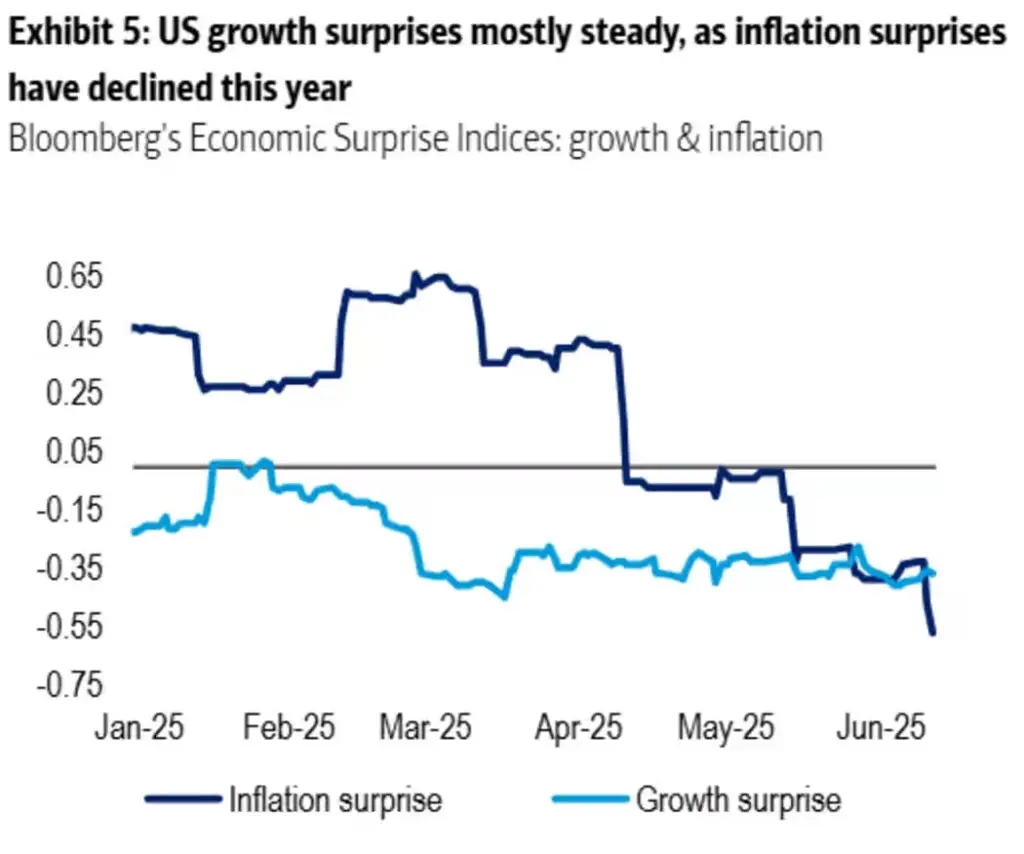
There are signs of softening in the U.S. economy. The ISM manufacturing index remains below 50, suggesting contraction. Ongoing uncertainty over trade, policy, and inflation adds to the risks.
Still, Essaye highlights the economy’s remarkable resilience, especially during the pandemic and the 2022 inflation scare. For now, economic data hasn’t deteriorated enough to spark real concern, and investors still trust the Fed’s ability to steer policy. Until proven otherwise, markets are giving the Fed, the government, and the economy the benefit of the doubt.
Bottom Line
According to Tom Essaye, markets aren’t ignoring risk — they’re simply not convinced that any of the current threats are imminent or severe enough to derail the bull run. But that calm could be tested quickly if any of these issues escalate beyond expectations.