Goldman Sachs Warns: AI Trade Unwind Could Trigger Market Reversal
Friday’s weak nonfarm payrolls report rattled markets, but the damage could have been worse. After hitting fresh highs, the S&P 500 finished the day lower, yet still within striking distance of its record.
Investors are holding steady on hopes that while the economy may be cooling, it isn’t collapsing—and that softer labor data gives the Federal Reserve room to keep cutting rates.
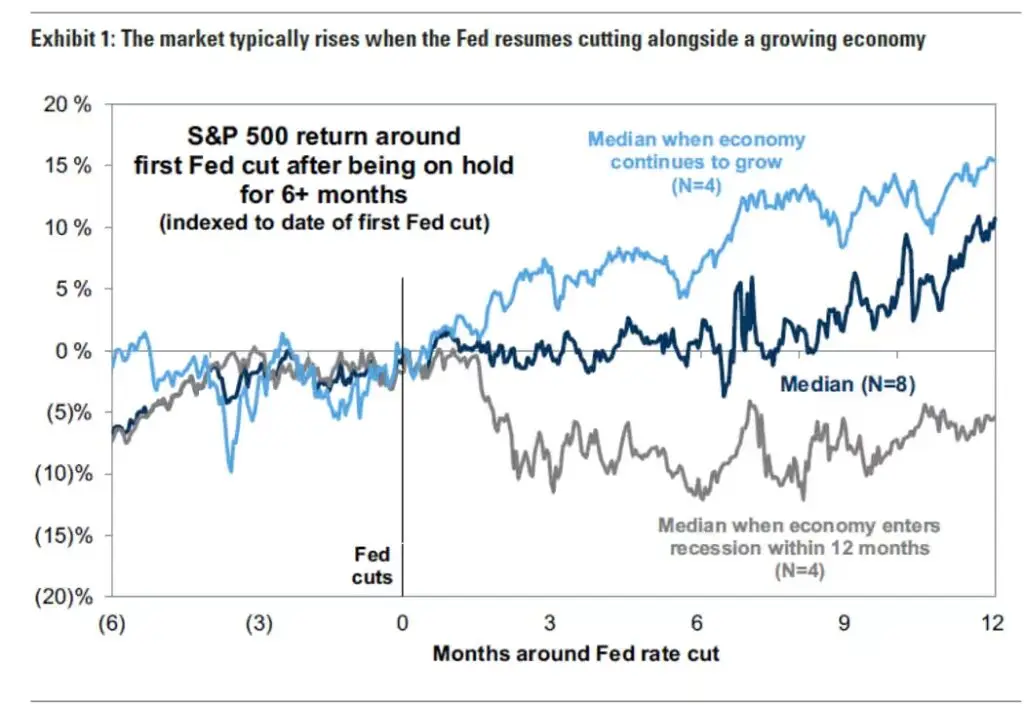
Goldman Sachs, led by strategist David Kostin, now expects the Fed to deliver three 25-basis-point cuts before year-end, followed by two more in 2026. The bank sees sub-trend U.S. growth but no recession ahead, a mix they believe supports equities. Historically, stocks tend to rally when the Fed eases while the economy keeps expanding.
Goldman projects the S&P 500 to climb another 2% this year to 6,600, reaching 6,900 by mid-2026. That move will be driven by steady EPS growth of 7% in both 2025 and 2026, not by higher valuations.
Still, Kostin’s team warns of risks. Higher U.S. tariffs could weigh on margins, while a weaker dollar or the strength of big tech could offer upside. But in the near term, the biggest risk may be an unwind of the AI trade. Nvidia has dropped 9% since August, and AI-related stocks have lagged the broader market by three percentage points.
The trajectory of hyperscaler capex—from Amazon, Alphabet, Meta, and Microsoft—will be crucial for AI-linked valuations.
Looking ahead to Q4, Goldman highlights three strategies for investors:
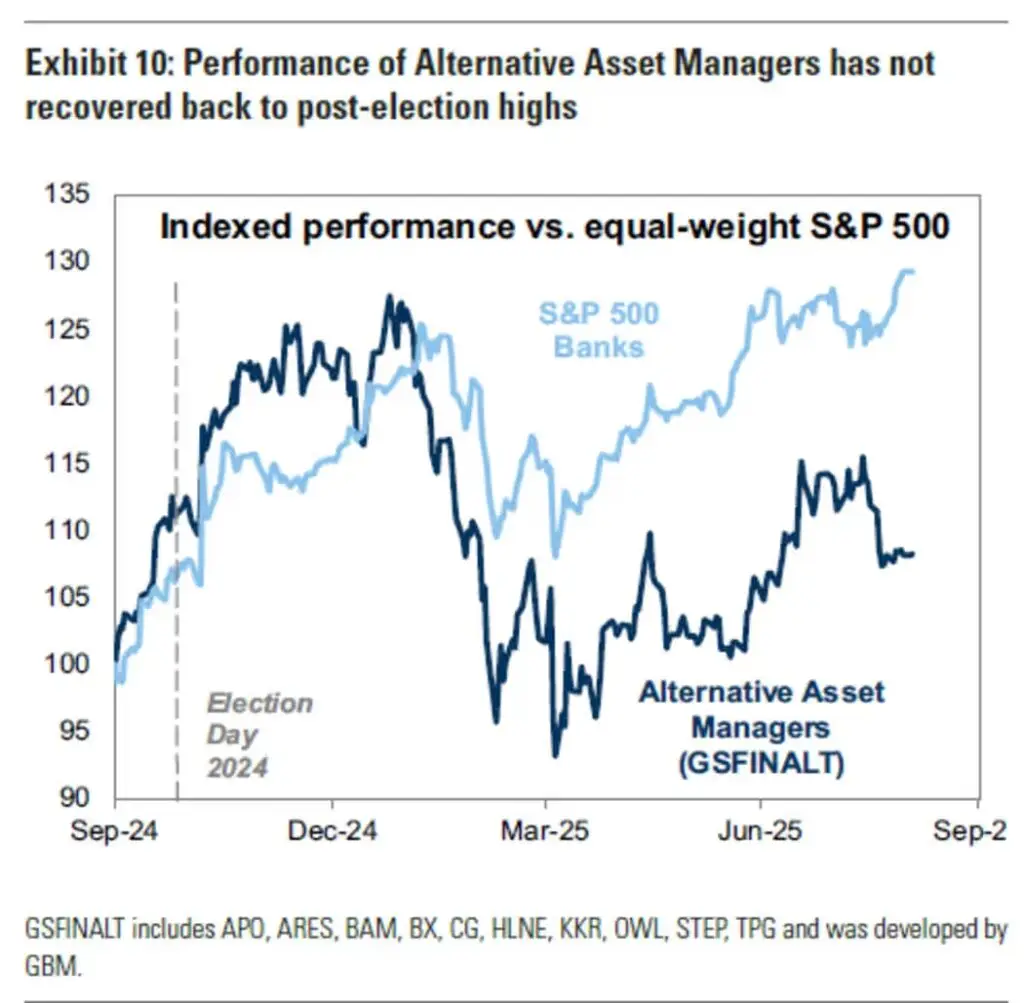
- Alternative asset managers – Firms like KKR, Blackstone, and Apollo remain undervalued relative to banks despite strong capital markets.
- Companies with floating-rate debt – Lower borrowing costs could lift earnings. Examples include Peloton, Lumen, and Petco.
- Gold miners – With Goldman forecasting a 14% rise in gold prices through 2026, miners such as Dakota Gold, AngloGold Ashanti, and Royal Gold could benefit.