Reminder – CME Markets Close Early Jan. 16 for MLK Jr. Day
Monday, January 16, 2017 is Martin Luther King Jr. Day, a federal holiday. The CME equity product markets (such as the E-mini S&P) will be close early on Jan. 16 at 1:00 p.m. will resume at 6:00 p.m. These times are US/Eastern (UTC-5, New York Time). Expect normal trading hours on days surrounding the holiday. […]
Part 2 – Trading E-mini December Price Action
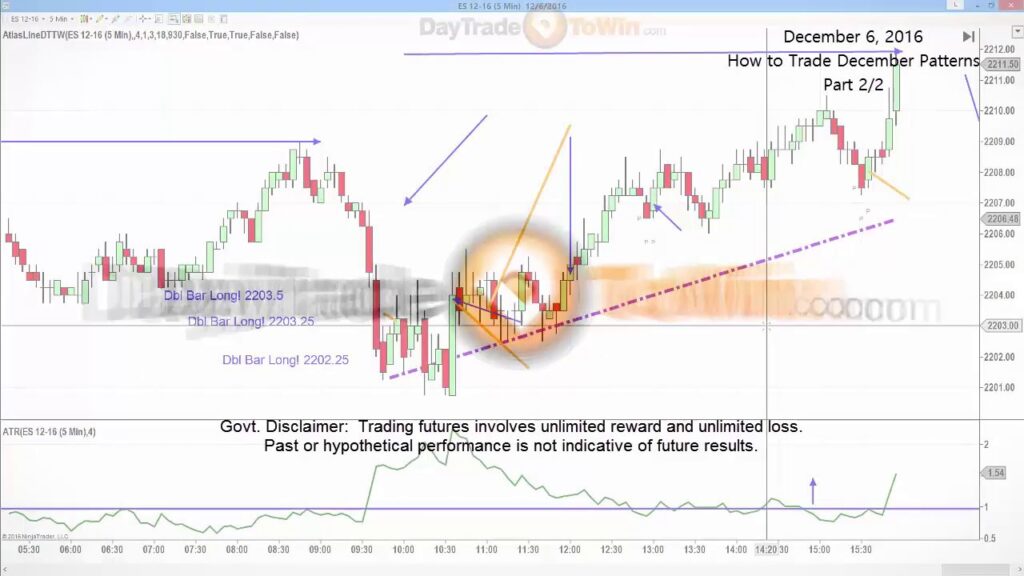
The Stair Step pattern looks like a typical, real-life stair case, only represented in candles. It’s easy to see after the fact, but the trick is to recognize the pattern while it’s occurring. This pattern often occurs the last week of the year, where price pushes, pauses, pushes, etc. Overall the Stair Step activity is […]
Atlas Line E-mini S&P Trade – Too Fast?
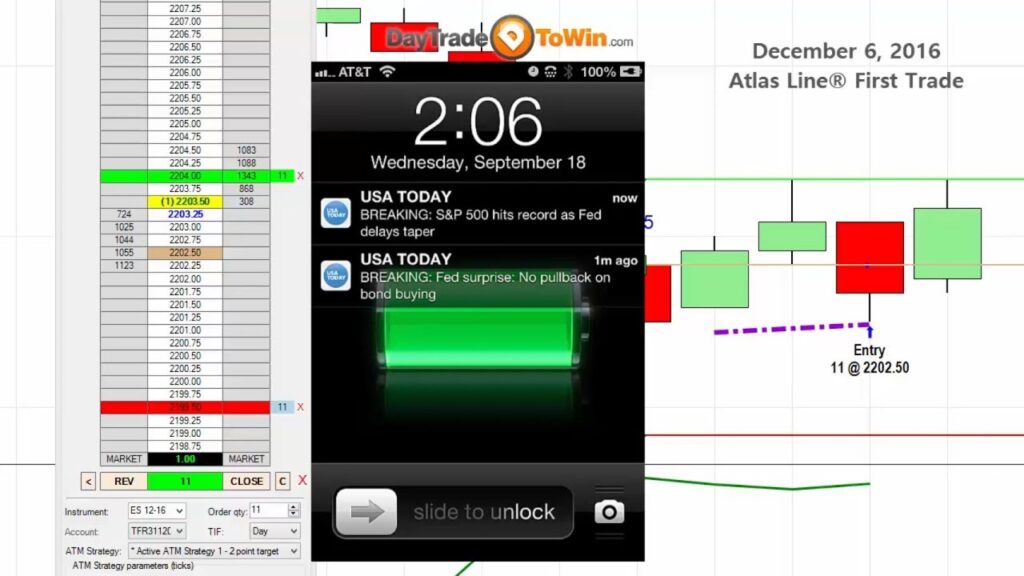
Get signals like this – click here to purchase the Atlas Line® Here’s a sped up look at the first Atlas Line trade that occurred yesterday, Dec. 6, 2016 on the E-mini S&P. The Atlas Line produces a long signal at about 9:55 a.m. EST when price was at 2203.25. This signal appeared because there […]
Price Action Trading – How to Use Trailing Stops
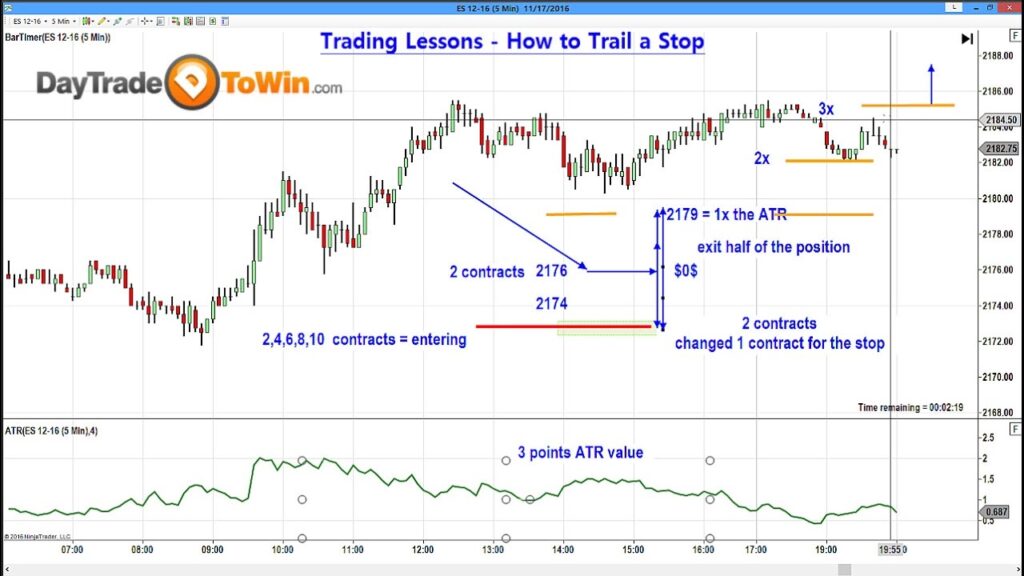
Every trader should know when and how to using a trailing stop. It’s one of those fundamental trading techniques. Essentially, it’s a way to “lock in profit” when trading two or more contracts. When price meets a specific condition, you close out one of the contracts that has reached profit territory. This video is designed […]
Filtering Trade Scalper Trades Using ATR and Atlas Line
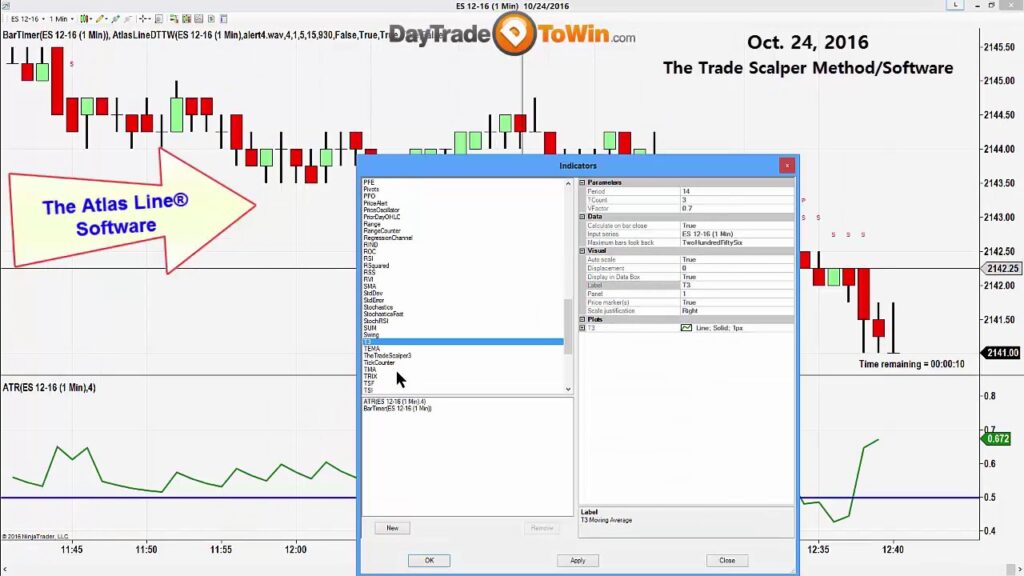
» Get the Trade Scalper« Here’s a quick example of the Trade Scalper software for NinjaTrader on a live E-mini S&P chart. As you can see, the Trade Scalper produced five trades in a little over an hour. There was one long around 11:20 a.m. followed by multiple short signals that followed a bearish trend. […]
Multiple Ways to Manage Risk and Reward Using Atlas Line
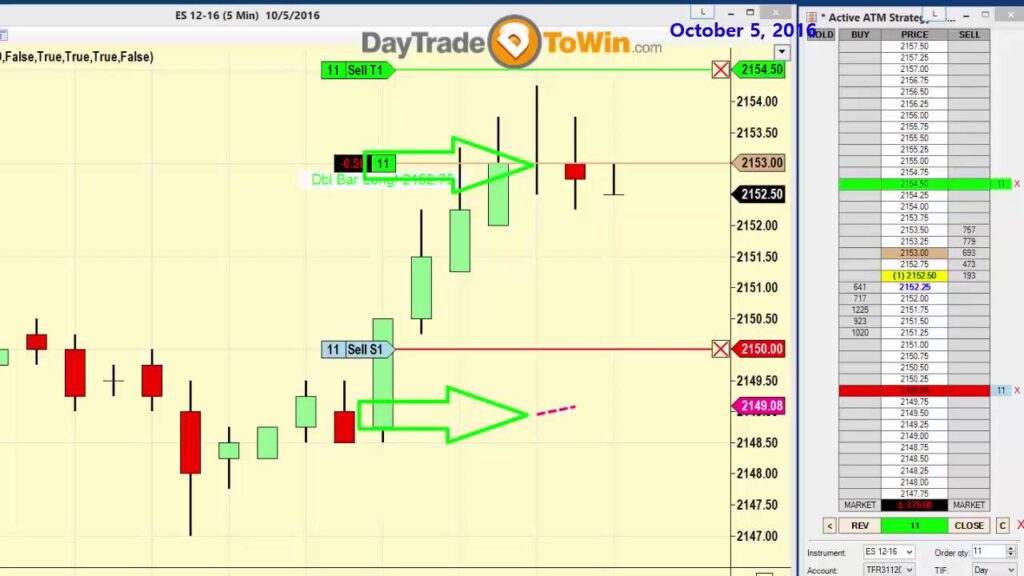
Get the Atlas Line signals on your chart When adding the Atlas Line to the chart, you won’t see anything displayed until specific conditions are met. Eventually, you will see a dashed line begin to grow, most often at a diagonal angle. In the included live training, you’ll learn exactly when to expect the line […]